
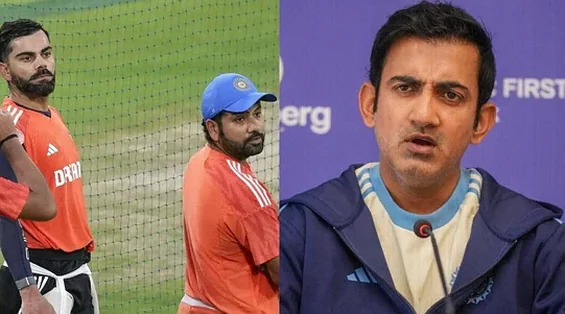
Coaching the Indian men’s cricket team is often described as one of the most demanding roles in the sport, and for good reason. The pressure isn’t just about results on the field—every decision arrives with intense scrutiny from a vast ecosystem of expectations, while the job also demands handling a dressing room packed with global superstars. In the middle of all that, head coach Gautam Gambhir has carved out a reputation for bluntness and a no-nonsense style that rarely softens its message, even when the stakes are at their highest.
Gautam Gambhir isn’t the first high-profile coach to manage India’s modern era icons, but the timing of his appointment has made his tenure stand out. Virat Kohli and Rohit Sharma have been among the defining faces of world cricket for more than a decade. Ravi Shastri oversaw them during their peak years, and then Rahul Dravid took over the reins. Gambhir, however, stepped in around a moment in Indian cricket that many observers hadn’t predicted would become so pivotal so quickly—his role beginning in July 2024 at a point when the team’s red-ball identity was beginning to shift.
Over a year into his tenure, India’s Test performances have come under sustained criticism, and that backdrop has created a sharper spotlight on the future of Kohli and Rohit. As the duo’s form in the longest format showed clear signs of decline, the management—Gambhir included—was forced into difficult decisions. The broader transition away from the “two modern greats” in Tests became more than just a storyline; it turned into a reality that required the team to rethink selection and momentum.
The hard line didn’t stop at Tests. In ODIs, too, questions started to surface about commitment and intent, particularly at a time when the immediate focus is still building toward the next World Cup cycle. Both Kohli and Rohit were asked to demonstrate their readiness by participating in domestic cricket last December, a request that didn’t sit well with several stakeholders who questioned the approach and the messaging around it.
That is where Gambhir’s method drew its sharpest share of criticism, especially in relation to how Kohli and Rohit were handled. Tough questions followed from within the system and also from the media, but the coach remained resolute, continuing to stick to his principles even as public debate intensified.
Former India cricketer Munaf Patel stepped in to defend Gambhir, warning that removing him could create serious instability. Patel argued that Gambhir is one of the few people in the dressing room willing to be direct, and that he carries the nerve to make ruthless calls—even if the names involved are the biggest in the country. Patel’s view was that a coach who refuses to look away when performances slip is more valuable than one who tries to keep everyone comfortable.
“Just remember this, if a head coach like Gautam Gambhir is removed, then handling the players will become very difficult. He is a genuine person, he calls the truth as it is, and many people don’t like that. Everyone knows that if things go off track, he has the courage to drop that player,” Patel said.
Patel also highlighted how challenging it is to manage players of Kohli and Rohit’s stature, pointing to the personal cost that can come with taking firm stands. He referenced earlier reports that suggested Gambhir had pushed for Rohit to be left out of the playing XI for the Sydney Test against Australia, before Rohit later clarified that his decision to sit out was entirely his own. Patel then added that the conversation around Gambhir and the star duo didn’t end there—after both Rohit and Kohli brought down the curtain on their Test careers following a disappointing Australia tour, fresh reports claimed tensions had emerged between the players and the coach. He further noted murmurs about possible unrest in the ODI setup in 2025, when their return to the format coincided with Gambhir and chief selector Ajit Agarkar not confirming their roles in the 2027 World Cup planning.
“Man-management is the most important thing. And it is not easy. Try saying no to someone like Virat Kohli. Try saying no to Rohit Sharma. Tell me, how many people is Gautam Gambhir making enemies of just to coach the country?” Patel added.
While the debate around his style has continued, Gambhir’s record in limited-overs cricket has offered a strong counterpoint. As a white-ball coach, he has helped India win major titles, guiding the team to the 2025 Champions Trophy and the 2026 T20 World Cup. That success has kept his supporters confident that his approach—demanding standards, setting clear expectations, and making selection calls without hesitation—can work even in the most high-pressure environment.
The story is set to take another turn soon, with Gambhir likely to reunite with the Indian dressing room when the team tours England this summer for an ODI series. For many, the upcoming leg of the schedule will be another chance to judge how his uncompromising leadership translates into performances as India weighs its next steps in international cricket.
