
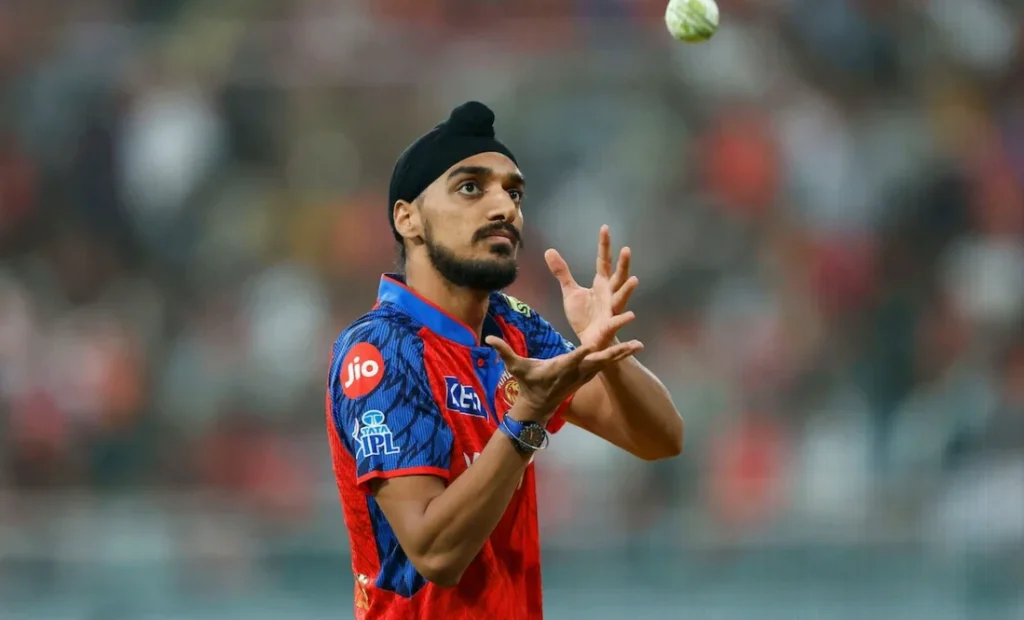
Aaron Finch, the captain who led Australia to the 2021 Men’s T20 World Cup title, believes Punjab Kings’ continued unbeaten run in IPL 2026—despite Arshdeep Singh not finding wickets in the powerplay—is actually a positive indicator for the franchise. Finch’s view is that if PBKS’s main attacking weapon is not yet delivering in the opening overs and the team is still winning comfortably, it can only strengthen confidence ahead of the next challenge. Punjab Kings are the only side still unbeaten in the tournament and will look to extend that momentum when they face Mumbai Indians at the Wankhede Stadium on Thursday evening.
Key takeaways
- Punjab Kings remain the sole unbeaten team in IPL 2026 and are set to host Mumbai Indians at the Wankhede Stadium on Thursday evening.
- Arshdeep Singh has taken wickets in the tournament overall, including two against Sunrisers Hyderabad last week, but he has not struck in the powerplay this season.
- In the six-over phase so far, Arshdeep has conceded 33 runs and is still wicketless across the powerplay.
- Finch said the lack of early wickets for Arshdeep can be encouraging for PBKS if results are still coming and they are setting the benchmark in the competition.
- Finch suggested Arshdeep may be bowling more toward an outswinging option to right-handers now, after appearing to lose some of the earlier inswinger threat.
Finch backs PBKS despite Arshdeep’s powerplay drought
Finch referenced how similar the situation is for Arshdeep: the pacer has not been taking wickets during the powerplay overs. In Finch’s assessment, PBKS’s ability to keep winning despite that particular shortfall points to a healthy team balance. He argued that when a side is still cruising and operating as a standard-setter in the tournament, it becomes an encouraging sign even if one of the team’s key weapons has not yet produced breakthroughs early.
PBKS last week secured a win over Sunrisers Hyderabad in New Chandigarh, with Arshdeep contributing two wickets. However, Finch noted that Arshdeep’s difficulties with the new ball have been obvious. The numbers underline that observation: he has conceded 33 runs in the powerplay and remains without a wicket in the six-over phase so far in IPL 2026.
Finch also highlighted that the powerplay problem is not limited to just the current campaign stretch. Arshdeep has failed to take a powerplay wicket in his previous ten IPL innings. With Mumbai Indians arriving without Rohit Sharma in the opening combination, Finch flagged that Arshdeep’s matchup against MI’s top-order batters will be something worth watching.
What Finch thinks has changed in Arshdeep’s bowling
Finch additionally pointed to a likely shift in Arshdeep’s bowling style. He suggested Arshdeep may have moved away from the inswinging deliveries that made him such a threat during his earlier IPL years. According to Finch, the ability to swing both ways—especially when he was younger and first burst onto the scene—created wicket-taking opportunities through both lbw dismissals and bowled outcomes, while also forcing batters to adjust to changing angles.
Finch felt Arshdeep’s current emphasis is more on an outswinging approach against right-handers, which he described as carrying a more defensive mindset compared to the earlier version of the bowler. He added that the exact reason could be technical, or the result of discussions within the bowling group, but the overall point remained clear to him: if the team is still winning while a primary trump card has not yet clicked in the powerplay, it should provide substantial confidence for the captain and the side.
PBKS batting momentum and leadership-led aggression
Turning to Punjab Kings’ batting form, Finch said he has been impressed by how the team has picked up where it left off last season. He noted that PBKS’s opening pair, Prabhsimran Singh and Priyansh Arya, have put together two partnerships of fifty-plus runs in just three matches this season. Finch viewed those aggressive starts as a major factor behind the batting success PBKS has shown since the previous season.
Finch also highlighted the role of skipper Shreyas Iyer in the middle overs, saying the captain has combined dominance with a consistently high scoring rate. That impact was visible in Iyer’s innings of 69 not out off 33 balls against Sunrisers Hyderabad.
Finch praised PBKS’s overall batting structure, describing it as high quality and driven by clearly defined roles. He argued that T20 cricket demands specialists who can bat in the situations they are best suited for, rather than squeezing too many top-order players into the middle-order. In his view, PBKS have managed that balance well, which helps them execute their plans with clarity.
He singled out Prabhsimran and Priyansh again, saying their ability to apply pressure from the beginning of innings has been striking. Finch also commented that the broader IPL environment is seeing more youngsters disrupt opposition plans early, thanks to the willingness to strike from ball one and challenge captains and bowling attacks immediately.
Finally, Finch pointed out that PBKS’s aggressive top-order approach is not only the result of individual talent. He attributed much of it to the team’s leadership framework, led by Shreyas Iyer alongside head coach Ricky Ponting. Finch said it stands out that the side regularly takes the initiative, and that the message from the top helps players carry out their roles with freedom.
He concluded by stressing how different T20 can be from day to day—sometimes outcomes fall your way, and at other times a couple of poor performances can follow. In that context, Finch felt the support and clear direction at the top are crucial for a high-risk format like T20, especially when teams are looking to stay on top and keep winning.
