
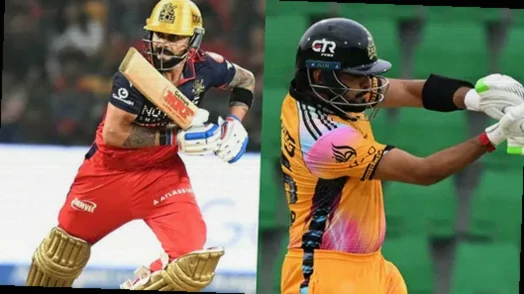
Babar Azam’s slide, in the view of former India batter Wasim Jaffer, has never been a simple story about runs. Jaffer argues that the bigger issue has been the identity Pakistan’s star was made to wear—an image that kept expanding, until every innings, every captaincy moment, and every dip in form was treated as proof for or against a comparison that felt too heavy to carry.
Key takeaways
- Wasim Jaffer believes the constant comparison of Babar Azam with Virat Kohli created pressure beyond Babar’s natural comfort zone.
- He says media narrative and public branding turned Babar’s performances into a continual referendum, magnifying failures and slowing innings alike.
- Jaffer also links parts of Babar’s struggles to scrutiny around his captaincy and Pakistan’s inability to convert promise into major success.
- While criticising the hype, Jaffer insists Babar is still one of Pakistan’s best batters of his generation.
- In Jaffer’s framing, the core problem was not a lack of talent, but the burden of carrying a “Kohli-sized” myth.
Jaffer’s core argument: hype became pressure
Jaffer began by recognising Babar Azam’s class as a batter and noted that he has performed well. However, he said the praise around Babar went too far once the Kohli link became a regular storyline. In Jaffer’s words, Babar was repeatedly rated beyond what he could naturally become, with comparisons to Virat Kohli being used to build him into a larger-than-life figure.
He pointed to the way people around Babar treated him as a “king” once the Kohli comparison stuck, and he suggested that the unnecessary storyline started with Virat. For Jaffer, the damage wasn’t that Babar lacked ability—it was that the framing changed what his performances were measured against. Instead of being evaluated simply as Babar Azam, he was positioned as Pakistan’s answer to Kohli, and that shift made every rough patch feel larger than it should have been.
How the comparison affected Babar mentally
Jaffer argued that Kohli’s legacy had already been constructed across multiple formats, eras, chase situations, and long stretches of dominance—meaning the benchmark was not just another contemporary standard. He believes that pressure then found its way into Babar’s mindset, with Babar trying to mirror Kohli’s style and approach rather than staying true to his own strengths.
Jaffer added that Babar’s attempt to play “like how Virat used to” in the Indian set-up became part of the problem. In his view, when the media hype grows too large, the player’s own downslide can begin from that point onward, turning expectations into a mental weight.
Captaincy scrutiny added to the spotlight
Beyond batting pressure, Jaffer also connected Babar’s difficulties to his period as Pakistan’s captain. He said Babar had to lead through high-pressure phases, but the team’s inability to consistently translate promise into major tournament breakthroughs kept the focus on his leadership.
Jaffer’s criticism here was pointed but tied to outcomes: he felt Babar did not build the side to the level required, and while chances were available, the results did not match the expectations. He also referenced that Pakistan did reach the T20 World Cup final during his captaincy tenure, yet Jaffer still believed the team did not rise to the top when it had an opportunity to do so.
Quality remains—only the narrative changed
Even with his sharp critique, Jaffer was careful not to dismiss Babar’s batting ability. He separated the player’s talent from the inflated image constructed around him, stressing that his point was about the scale of the crown placed on Babar, not about calling him ordinary.
In Jaffer’s reading, Babar’s best years have made him one of Pakistan’s key modern batters, but the Kohli comparison turned his career into a constant test. Every dip, in that environment, was magnified because the benchmark was not another good contemporary batter—it was Kohli, one of the defining figures of his generation.
Jaffer concluded by softening the overall message, saying Babar remains “without a doubt, one of the finest batters of Pakistan this generation.” The debate, as Jaffer sees it, is ultimately about the burden: Babar’s problem wasn’t raw skill. It was the weight of being expected to carry a myth that matched Kohli’s stature before Babar had built a legacy at that same level.
