
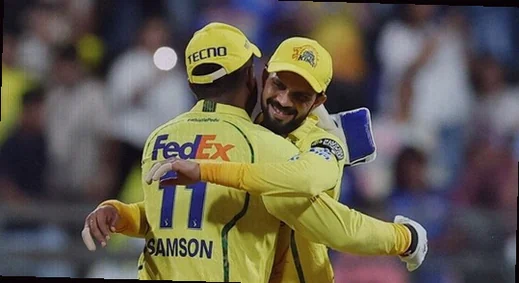
Chennai Super Kings and Gujarat Titans renew hostilities in IPL 2026 with both franchises chasing steadier returns in a season that has been anything but smooth. After securing victory in their most recent outing, CSK take on GT in Chennai with the clear aim of turning that confidence into a second win in as many matches. Yet the bigger storyline is consistency: across seven league games so far, both teams have registered three wins and four losses, leaving them to battle not only for points, but for rhythm.
CSK vs GT: Why this match matters in IPL 2026
With neither side able to string results together regularly in the opening phase, this contest is viewed as a chance to build momentum quickly. For Gujarat Titans, the pressure is intensified by the sense that time is running out, particularly given questions over their batting structure and the way their innings have been managed at the top.
- Both teams have played seven matches so far in IPL 2026, winning three and losing four.
- CSK go into the game following a victory over MI in their last encounter.
- GT are looking to “reset” after patchy performances and concerns about their batting order.
GT’s captaincy spotlight and the top-order debate
All eyes are on Shubman Gill’s leadership as Gujarat Titans continue their search for more reliable performances. GT have qualified for the playoffs three times in four years, lifting the title once and also reaching a final on another occasion—numbers that raise expectations for a return to that level of competitiveness.
However, their batting has come under scrutiny. The Titans’ top three have featured Sai Sudharsan, Shubman Gill and Jos Buttler, and Gill has faced criticism for a slower, more measured style during IPL matches. The concern is that if the early phase plays out too cautiously, the middle overs can become a tougher environment for batters to settle and build partnerships.
What GT’s staff said on the top-order advantage
Ahead of the clash, GT assistant coach Vijay Dahiya offered an explanation for why the batting balance matters. He said that a strong top order tends to keep batters in the game longer, which in turn leaves the middle order with fewer overs to bat. At the same time, he suggested having such a top unit is still beneficial even when it hasn’t all “clicked” in certain matches.
- Dahiya said a dominant top order typically results in batters facing more deliveries, which can reduce the middle order’s ball time.
- He noted that the middle order becomes disadvantaged when the top doesn’t allow them enough opportunities to settle.
- He added that the team is still pleased with the top-order options and that the advantage of having a strong top remains, even if results haven’t always reflected it.
CSK’s form boosts: Samson and Noor Ahmad
CSK, meanwhile, are heading into this meeting with more immediate positives to lean on. Their win over MI has provided the kind of momentum that can help a team manage pressure, especially when consistency has been hard to find.
Sanju Samson’s recent improvement is another reason for optimism. CSK will be encouraged that he is finally finding his momentum after earlier struggles. Alongside the batting narrative, their bowling department has also offered encouragement—particularly Noor Ahmad, who has rediscovered his form after a slower start to the campaign.
- CSK’s confidence is boosted by their win against MI in the previous match.
- Sanju Samson is showing signs of momentum after a period of adjustment.
- Noor Ahmad has bounced back following a slow beginning to the season.
- In the last three games, Noor Ahmad has taken five wickets.
