
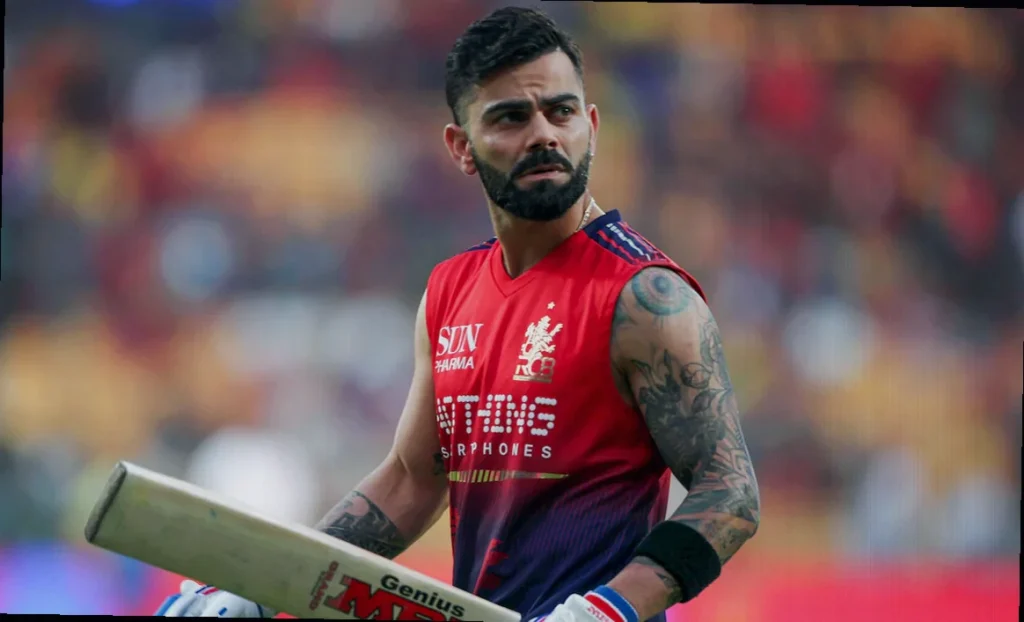
Royal Challengers Bengaluru’s Virat Kohli has appeared rejuvenated in T20 cricket, even though he stepped away from T20 internationals about two years ago. Since the IPL 2026 season began, Kohli has looked sharp and dangerous, and RCB will be banking on the talisman to deliver again in this campaign. Former India spinner Ravichandran Ashwin pointed to a key change in Kohli’s batting rhythm after he quit Test cricket, arguing it has helped the star open up more scoring options. In RCB’s clash against Chennai Super Kings on Sunday, Kohli produced a no-look six that instantly drew attention for its creative flair, with Ashwin linking that freedom to the way Kohli now moves at the crease. Meanwhile, fellow JioStar expert Irfan Pathan highlighted how technical adjustments—especially around Kohli’s backlift and bat movement—have influenced his power and strike rate so far this season. In RCB’s first two games of the IPL 2026, Kohli has amassed 97 runs and has been dismissed only once.
Key takeaways
- Virat Kohli has looked in prime T20 form for RCB in IPL 2026 after stepping away from T20 internationals two years earlier.
- Ravichandran Ashwin believes quitting Test cricket has allowed Kohli to generate more fluid bat movement and unlock additional shot-making.
- In the RCB vs CSK match on Sunday, Kohli struck a no-look six showcasing a more inventive approach.
- Irfan Pathan said Kohli’s bat motion and backlift help create momentum, which has contributed to an increased strike rate.
- Across RCB’s first two matches, Kohli has scored 97 runs and has been out just once.
Ashwin’s view: freedom from Test cricket changes the batting rhythm
Ashwin, speaking as a JioStar expert, explained that Kohli’s movement and timing have altered since he stopped playing Test cricket. He noted that when Kohli was still competing in Tests in 2024, the batter’s body remained very still, which in turn affected how freely the bat could be brought into play. In Ashwin’s assessment, that controlled stillness also limited the early bat movement needed to set up bigger strokes.
However, Ashwin argued that in IPL 2026 Kohli is now showing a more dynamic pattern: the bat is lowered at first and then lifted again, which Ashwin described as “potential energy”—the kind of built-up motion that helps a batter get into better positions. He added that Kohli’s footwork also looked more balanced in 2024 because of the same stillness, but the current T20 rhythm benefits from having removed the need to manage his hands as tightly for longer-format discipline.
In short, Ashwin suggested that without Test cricket demanding that level of control, Kohli is letting his hands go more, which has opened the door to additional attacking shots—including the sort of improvisation that stood out in his no-look six against CSK.
Pathan’s technical take: backlift, momentum, and a rise in strike rate
Pathan, another JioStar expert, focused on the mechanics of Kohli’s batting in the early part of the season. He connected Kohli’s backlift and the way the bat comes down and rises again to the ability to generate momentum before striking the ball. Pathan explained that when a batter stands motionless in the short window before the delivery, it becomes harder to create the pace and drive needed for big hits.
But he argued that once the bat is brought down and then lifted back up, the batter already carries that momentum into the swing, making it easier to go after scoring opportunities aggressively. In Pathan’s view, this is one of the reasons Kohli’s strike rate has improved so far in IPL 2026.
How Kohli has started for RCB
So far in IPL 2026, Kohli has played two matches for RCB, scoring 97 runs in total. He has also been dismissed only once across those outings, underlining how consistently he has been converting starts into meaningful contributions for Bengaluru.
