
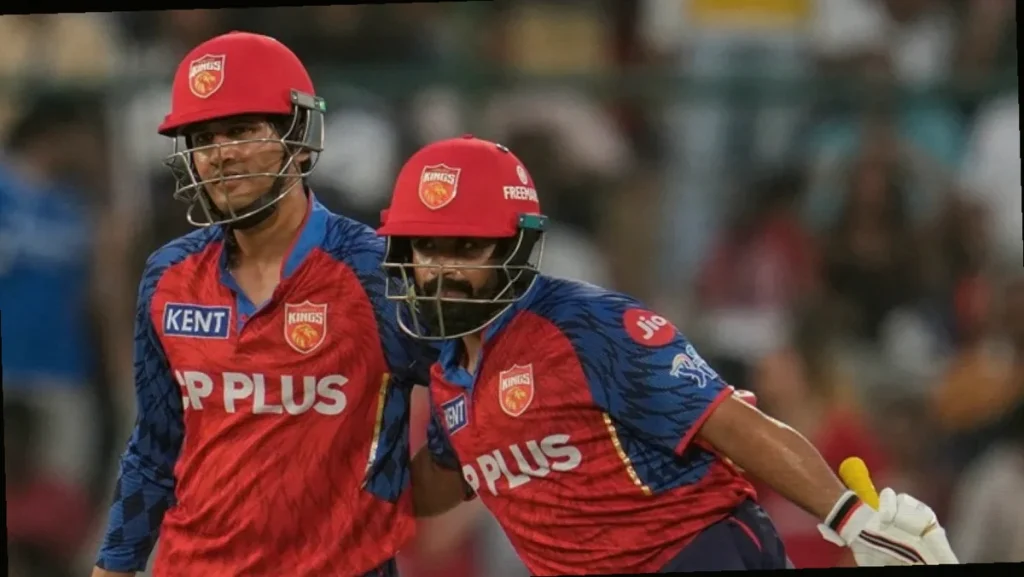
Punjab Kings (PBKS) and Sunrisers Hyderabad (SRH) are set to lock horns, with the match drawing extra attention to the early-impact batting duos at the top of both sides. SRH’s Abhishek Sharma and Travis Head have combined for a strike rate of 208.05 this season, tallying 543 runs across 10 innings. The only opening partnership to surpass them belongs to PBKS—Prabhsimran Singh and Priyansh Arya—who have been even more ruthless, striking at 242.5 in eight innings.
Key takeaways
- SRH’s Abhishek Sharma and Travis Head have delivered a 208.05 strike rate together, scoring 543 runs in 10 innings.
- PBKS’ opening pairing of Prabhsimran Singh and Priyansh Arya have posted a 242.5 strike rate across eight innings.
- PBKS head into the contest in first place, while SRH sit third, but both teams are dealing with recent defeats.
- SRH coach Daniel Vettori expects another high-scoring affair in Hyderabad, with a major focus on how teams handle early momentum.
- PBKS assistant coach Brad Haddin highlighted the need to take early wickets and disrupt Head and Abhishek before they settle.
PBKS vs SRH: form, table positions and a shared concern about starts
Despite their standings—PBKS No. 1 and SRH third—neither camp is arriving in full confidence. PBKS have suffered two straight losses, while SRH have dropped one match in their most recent outing. In both cases, the defeats were tied to their opening pairs not getting going and failing to set the tone early.
Vettori noted striking similarities between the two teams, particularly the way both sides lean on quick starts. He believes Hyderabad’s conditions typically reward aggressive batting and expects a game shaped by how effectively the bowlers manage the early overs.
“In both of PBKS’ losses, the opening pair obviously haven’t managed a score, so it changes the way you look at the contest,” Vettori said. “It’s the same on our side too. When Travis and Abhishek get going, it completely changes what a team can do, and the same principle applies to Punjab. That’s why we’re placing a lot of emphasis on those two batters and on how we plan to handle them.
“That opening combination has been incredibly effective, and most of their batting unit has offered supporting contributions. In many ways, they resemble us: they’re very aggressive with the bat, and then they try to blunt whatever they can with the ball. They look well prepared and understand clearly what they’re going to do. With that in mind, you’d expect runs to be plentiful, and it’ll come down to the bowling group’s ability to absorb that pressure.”
SRH’s response after the KKR loss, and what PBKS can learn from Gujarat
SRH’s coach pointed to how quickly teams must reset in the IPL’s fast-moving schedule. In their defeat to Kolkata Knight Riders, Abhishek Sharma fell early for 15 from 10 balls. After that, Travis Head and Ishan Kishan put on 61 runs, but a collapse in the middle overs restricted SRH to 165. KKR then chased the target down in 18.2 overs.
Even so, Vettori insisted the side has already moved past the setback.
“The IPL is so short and quick that you have to be prepared for every fixture, and you can’t let a defeat linger,” Vettori said. “You focus on the areas that have consistently worked across the season. Most of the time—about eight out of ten matches, I’d say—our batting order has looked outstanding. So we have a lot of confidence in that group and in their ability to perform the way they’ve done for the majority of the campaign.”
PBKS assistant coach Brad Haddin matched that mindset, stressing the importance of keeping SRH’s openers under control while also taking positives from PBKS’ recent losses. He particularly referenced the match against Gujarat Titans, where the middle order stepped up.
“Get early breakthroughs and don’t allow Head and Abhishek to bat for too long,” Haddin said.
“If you look at the last game against GT, they probably handled the new ball and the powerplay really well. We showed a lot of fight to reach the total we posted, and that was pleasing because when your top order is successful, your middle order doesn’t always get the chance to settle and swing freely. From a coaching perspective, we know how explosive our top group is. Now the middle order is starting to spend more time together and find some rhythm. [Marcus] Stoinis was outstanding, and young [Suryansh] Shedge—wow. It wasn’t just the runs, it was the way he scored under pressure, which was very impressive.”
Why this result matters: table climbing, powerplay battles and Hyderabad’s high-scoring context
Both coaches underlined that the upcoming result could carry significant weight. For PBKS, a win would keep them entrenched at the top of the standings. For SRH, victory would open the door to climb to No. 1.
“On any given day, anyone can beat anyone,” Vettori said. “Sometimes you feel like you’re out of the competition and you can still fight back, and other times you think you’re safe—but then losses start stacking up. We’re very clear about how important this match is, and we’ll aim to produce a performance that gives us the best chance to win.”
Haddin, meanwhile, focused heavily on the powerplay as a decisive phase and argued that limiting it is a tournament-wide challenge, not a one-off concern.
“You’ve got to find ways to reduce what happens in the powerplay,” Haddin said. “And it’s not just us—this is a challenge for everyone across the competition. If you check the numbers and look at how momentum shifts throughout the tournament, a lot of it comes down to how well you execute with the new ball.”
Vettori then examined the bowling challenge from a bowler’s perspective, acknowledging that high-scoring conditions make the task far more complex, especially in Hyderabad.
“I always put on the bowling hat in situations like this, and I’ve got a lot of concern for them, particularly here where the totals have been so high and it’s hard,” Vettori said. “But I think—and this is based on a line from Pat [Cummins]—that games in Hyderabad aren’t about bowling teams out for low totals. They’re about preventing the biggest overs. It’s about understanding what’s required: if you’re defending, then winning by one run is enough. So if we score 240 and the opposition makes 239, we’re perfectly happy with that.”
“So you need strong game awareness about what the match demands. Yes, it’s tough for bowlers, but I also think when you listen to how the bowlers talk, it suggests the pressure isn’t always solely on them because the batters are going to attack. In some ways, a figure like 1 for 40 or 1 for 42 can actually be a very good day, depending on the context of the game.”
