
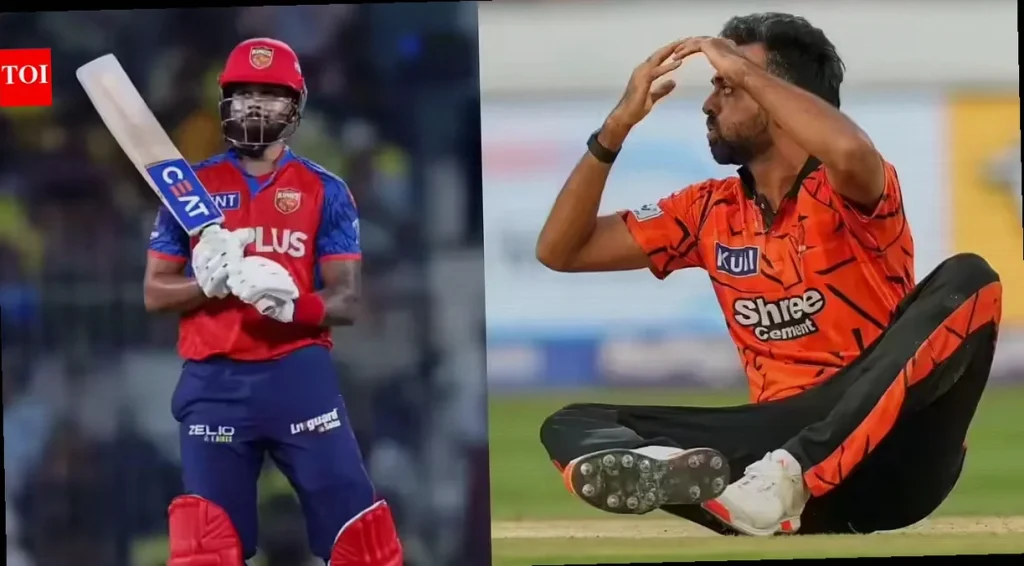
At the Maharaja Yadavindra Singh International Stadium in Mullanpur, Abhishek Sharma’s Friday practice carried the calm of someone who feels at home. He drifted out for the pre-match session at a measured pace, exchanged a few words in Punjabi with the ground staff, and spent time close to the pitch with his bat—more quiet investigation than overthinking. When he finally began hitting, the timing looked crisp and natural, setting a tone of controlled confidence. A few metres away, Travis Head’s approach couldn’t have been more different—loud contact, sharp ball striking, and a clear sense of rehearsed dominance.
Key takeaways
- Abhishek Sharma’s net session in Mullanpur was measured and timing-focused, while Travis Head struck the ball with sharper intent.
- Sunrisers Hyderabad’s season has lacked sustained momentum after early wickets, forcing the middle order to frequently rebuild.
- Punjab Kings appear to be settling into a more consistent brand of cricket under Shreyas Iyer.
- Punjab have shown adaptability in chases and in challenging conditions, including recently overcoming situations created by tricky pitch factors.
- Rain recently affected Punjab’s last match outcome, with Xavier Bartlett having made an impact before the weather intervened.
- Mullanpur’s pitch has already hinted at uncertainty, and the early overs may heavily influence the rest of the contest.
Sunrisers’ promise, but not enough sustained control
The “Travishek” combination in nets offered a glimpse of what Sunrisers Hyderabad can look like at their very best—smooth, fearless, and capable of overwhelming opponents in stretches. Yet the reality of this IPL season has been less reliable. For all their batting firepower, Sunrisers have been vulnerable at the top of the order. Wickets early in innings have repeatedly disrupted rhythm, leaving the middle overs to act as repair work rather than a place to build a platform.
Heinrich Klaasen and Nitish Kumar Reddy have provided resistance when the situation demands it, but the team has struggled to deliver full, uninterrupted performances. Even the bowling—usually expected to steady the contest—has not consistently held its ground. Harshal Patel and Jaydev Unadkat are still searching for the kind of repeatable impact that can decide games, with Unadkat particularly coming off a difficult outing versus Lucknow.
Punjab’s direction and collective mindset
Punjab Kings, in contrast, are beginning to look like a side that understands how to stay in control of the match context without relying entirely on brilliance. Under Shreyas Iyer, their cricket carries a clearer sense of direction. It may not always be flashy, but it tends to be effective, especially in how they respond when conditions or scoring patterns change.
They have shown the ability to adapt—whether it’s chasing down a target above 200 against Chennai Super Kings or handling a more demanding Mullanpur surface when Gujarat Titans came to town. Just as important, Punjab have done it with collective contributions rather than depending on one or two standout moments.
That theme was visible again in their most recent outing, even though the result was wiped out by rain. Xavier Bartlett had struck decisively through Kolkata’s top order before the weather stepped in, meaning Punjab had to settle for shared points instead of what looked like a potential third consecutive win.
Milestones matter less than outcomes
Inside the dressing room, the message has been straightforward: the Orange Cap and Purple Cap are not the primary drivers. Prabhsimran Singh, the wicketkeeper and opening batter, highlighted in a recent interview that individual milestones don’t define this group—results do. The performances reflect that approach, with impact spread across different players and phases.
Cooper Connolly’s composed unbeaten 72 against Gujarat stands out as an example of control at the crease. Vijaykumar Vyshak has also shown that the bowling unit can find its moments when necessary, stepping up with the ball in situations that require precision rather than panic.
Mullanpur’s pitch uncertainty could decide the contest
Beyond player form, the key talking point remains the surface itself, which still has an element of mystery. The first match at this venue suggested it will not behave like a simple batting track. A total in the 160s still proved competitive, and the pitch appeared to offer just enough for batters to question their instincts—creating uncertainty that rewards tactical decisions as much as raw intent.
On Saturday, the contest may demand the same kind of thinking again. For Punjab, familiarity with how to adjust could be an advantage. For Sunrisers, the focus may come down to whether Abhishek Sharma and Travis Head can translate those promising nets into something more substantial once the ball starts skidding and gripping under match pressure. In Mullanpur, the early overs may not merely set the tone—they may shape the entire direction of the game.
