
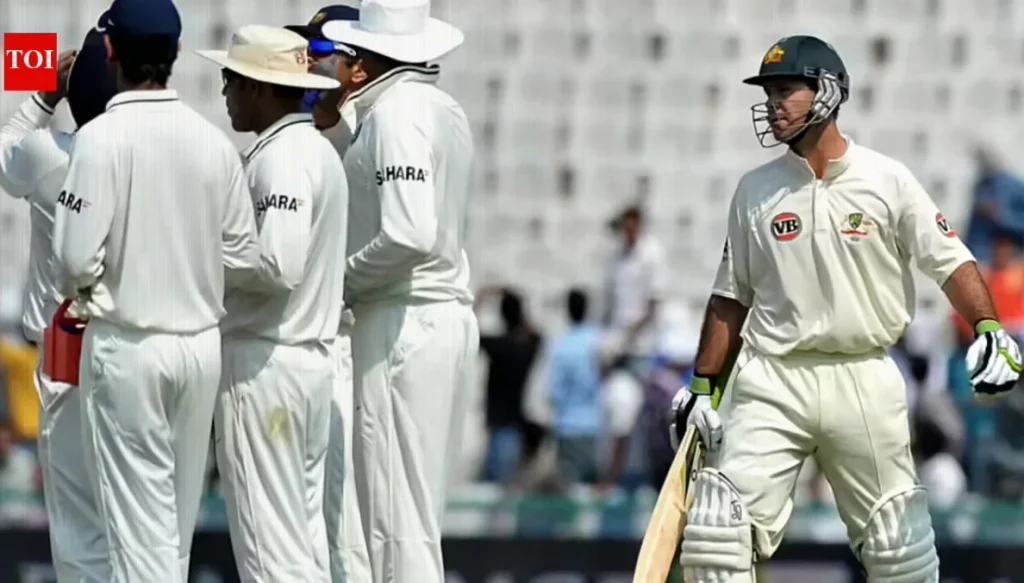
More than ten years after one of the most scrutinised verbal flashpoints between India and Australia, former India fast bowler Zaheer Khan has finally detailed what he told Ricky Ponting during the fiery exchange in the 2010 Mohali Test. The confrontation still resonates in cricket folklore, largely because it came right after Ponting’s dismissal and during a moment when emotions were already running high on the field.
Key takeaways
- Zaheer Khan has revealed the line he delivered to Ricky Ponting during their heated moment in the 2010 Mohali Test.
- Ponting’s run-out followed a direct hit from Suresh Raina at a critical stage of the match, prompting immediate reaction from the Australian captain.
- Zaheer’s remark to Ponting was a playful jab about his pace, aimed at Ponting’s attempt to take a quick single.
- Zaheer also explained his broader view of sledging, framing it as psychological advantage rather than mindless abuse.
- The same Test ended with India completing a remarkable one-wicket victory after being reduced to 124/8 in the fourth innings chase.
What Zaheer said to Ponting in Mohali
The incident took place in October 2010 at Mohali, after Suresh Raina’s sharp direct hit resulted in Ponting being run out. The dismissal arrived at a key juncture of the Test and visibly unsettled the Australian captain. As Ponting walked past the Indian players, he turned back almost immediately, gesturing with his bat and launching into a brief but intense exchange, until the on-field officials stepped in to calm things down.
For years, supporters debated what exactly ignited Ponting’s reaction. Now, Zaheer Khan has put the speculation to rest with a specific memory from that moment.
“You think you were Usain Bolt?” Zaheer said during an interview with Indian Express, describing his cheeky comment to Ponting. The line was aimed at Ponting’s attempt to push for a fast single while the Indian camp celebrated the breakthrough.
Zaheer’s explanation of sledging
Zaheer’s perspective on sledging went beyond that single exchange. He argued that the tactic is less about using offensive language and more about creating an edge—staying focused while using words strategically.
“Sledging is not about use of bad words. It’s using it to your advantage, and not losing yourself in the process,” he said.
At the time, neither camp made a major issue of it. After a long day in the field, Pragyan Ojha captured the essence of Test cricket’s edge-of-the-moment intensity with a simple observation: “When two top teams compete hard, words are exchanged, that’s cricket.” For him, especially in Tests, it was part of the competitive fabric rather than something to overthink.
A Test to remember: India’s last-wicket drama
The Mohali Test in October 2010 is remembered not just for its verbal sparks, but for the sheer swing of the contest. India chased a target of 216 in the fourth innings after Australia posted the number to set up the finish. The chase started badly: India slipped early to 124/8, and defeat looked likely.
Then VVS Laxman stepped forward despite severe back pain and produced a composed, unbeaten 73. His innings provided the backbone for a chase that seemed beyond reach, turning the match into a thrilling pursuit.
Laxman found a vital partner in Ishant Sharma, who contributed a crucial 31 to move India closer to the target. After Ishant was dismissed, the pressure remained intense, but last man Pragyan Ojha held his nerve through the nervy moments that followed, ultimately helping seal a dramatic one-wicket victory.
Australia, led by Ricky Ponting, had their own chances during the chase. One of the most significant opportunities came when Nathan Hauritz dropped a catch—an error that went on to prove costly as India completed the improbable win.
