
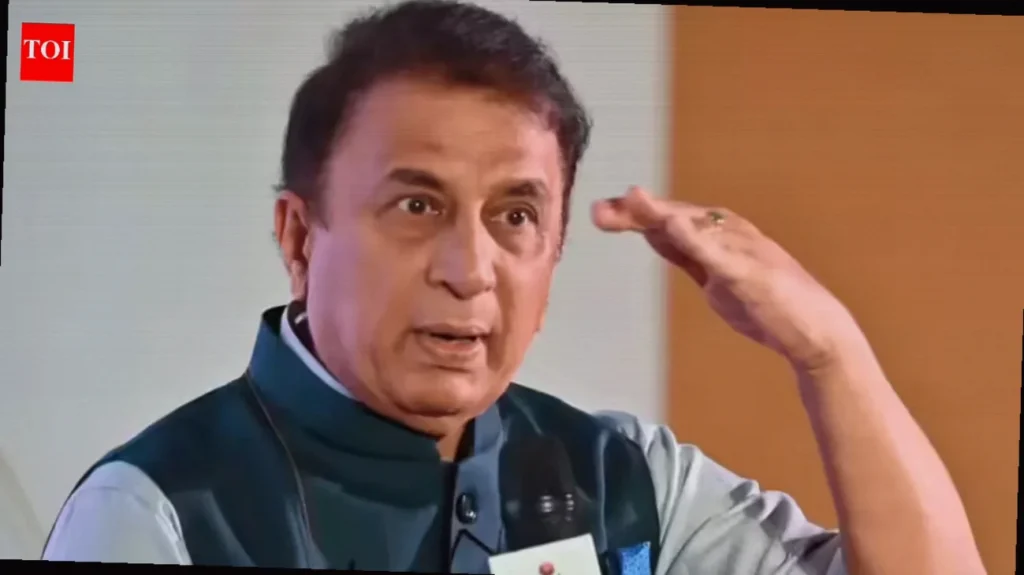
New Delhi: Sunil Gavaskar has reignited a familiar workload-and-roles debate in IPL 2026, calling on the BCCI to take firmer action against players who do not deliver on the responsibilities they were picked for. The immediate flashpoint is KKR all-rounder Cameron Green, with Gavaskar questioning why a player labelled as a dual-skill option is not bowling when match conditions allow.
At a glance
- Sunil Gavaskar wants the BCCI to curb players who do not fully perform their assigned roles in IPL 2026.
- Cameron Green has become a talking point after concerns were raised about him not bowling due to workload management.
- Gavaskar argued that if a player cannot bowl, the “all-rounder as a batter only” approach needs scrutiny.
- He said players who are not fit from the start should withdraw and allow franchises to replace them.
- Gavaskar suggested the BCCI introduce stricter measures similar to the two-year ban for overseas players who withdraw after being bought.
- He also highlighted that cricket boards earn revenue via the IPL NOC process, estimated at about 10% of a player’s auction fee.
In his column for Sportstar, Gavaskar attacked the growing pattern of all-rounders being used primarily as batters, despite being selected for both bowling and batting. He pointed to a simple constraint: a bowler is permitted to bowl only four overs in a match, and he questioned what prevents teams from using them within that limit.
Gavaskar’s thrust was that workload narratives cannot become a blanket excuse. If the player is being treated as a specialist batter in practice, he argued, then the league is drifting away from the very skill balance franchises pay for when they draft “all-round” profiles.
“If not fit, don’t play”
The former India captain was blunt about availability and fitness. He said it is only reasonable for a player who is not fully fit from the first day to step aside before the tournament begins, so the franchise can get another option rather than carry a compromised role.
He also took aim at the idea that teams had been forewarned. Gavaskar dismissed the explanation that the franchise was “informed before,” calling it a weak justification and raising questions about timing and transparency around such disclosures.
The comments landed after Ajinkya Rahane’s remark of “ask CA” regarding Cameron Green’s bowling situation. In response, Cricket Australia issued a clarification, stating that the franchise had already been made aware beforehand about the circumstances affecting his bowling.
Gavaskar’s intervention comes while multiple teams face scrutiny over bowling balance. He referenced criticism aimed at sides such as Kolkata Knight Riders and Sunrisers Hyderabad, where issues around bowling combinations have been linked to key players not being available to bowl.
“Time for BCCI to step in”
Drawing a comparison with existing regulations, Gavaskar argued that the BCCI should intervene more decisively. He suggested introducing a mechanism for players who are unavailable from the opening match, similar in spirit to the two-year ban that overseas players face if they withdraw after being bought at the auction.
Underlining the franchise perspective, he stressed that teams make major investments and, in turn, deserve full commitment from the players they acquire. “Don’t the franchises… deserve full commitment?” he asked, framing the issue as both a financial and emotional bet for the franchises.
Gavaskar also expanded the discussion beyond on-field roles, revealing another layer of IPL economics tied to overseas participation. He said the league has become a meaningful revenue source not just for players but for their respective cricket boards as well.
One key detail he put forward is the No Objection Certificate (NOC) mechanism. Gavaskar disclosed that boards receive roughly 10% of a player’s auction fee through this NOC process, turning tournament participation into a direct stream of money for governing bodies.
He then cited figures to show the scale. In recent seasons, he said 16 Australian players were signed for a combined Rs 121.65 crore, while 12 English players fetched Rs 68 crore. He added that New Zealand’s 12 players earned over Rs 33 crore, South Africa’s 17 players around Rs 71 crore, and eight West Indies players close to Rs 59 crore.
For Gavaskar, the standout feature is how unusual the arrangement is in the wider T20 landscape. He argued that no other T20 league globally shares player auction revenues with cricket boards in this specific manner, making the IPL setup a distinctive case.
The debate now places pressure on the BCCI to consider whether role-based accountability and availability rules should be tightened further—particularly when workload management leads to players being used in a narrower capacity than their selection promises.
