
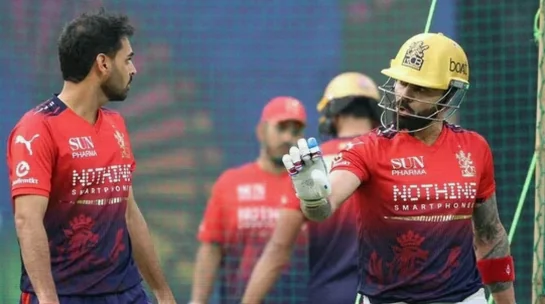
Lucknow Super Giants (LSG) and Royal Challengers Bengaluru (RCB) meet in IPL 2026, with both sides carrying very different pressures. RCB sit third in the standings and have looked among the more settled outfits in the playoff hunt, but the message heading into the contest is clear: in the IPL, no opponent is “easy,” and even a less confident Lucknow side can still cause damage. For LSG, the home setting offers no guarantee—especially after a difficult run in which their season has repeatedly failed to find traction.
Key takeaways
- RCB enter the matchup in third place, but still need to treat every game as a potential threat to their playoff position.
- LSG’s most recent highlight came when Nicholas Pooran delivered big hitting versus MI, yet the side still suffered a sixth straight defeat.
- LSG have been rotating their batting order in search of a workable combination, but confidence remains fragile.
- For LSG, their bowling—led by Mohammed Shami—must be more efficient against RCB, which can bat deep.
- The bigger concern for RCB is whether they can bat first and maintain control on surfaces that can help the bowlers.
Why LSG are under pressure despite flashes of brilliance
LSG’s campaign has been defined by inconsistency, and the latest setback underlined how quickly momentum can disappear. While Nicholas Pooran showed what LSG are capable of by striking powerfully against MI, the spark ultimately didn’t translate into results. That loss stretched their run to a sixth consecutive defeat, leaving their season on the brink of being derailed beyond repair.
With the batting order continuing to be shuffled, LSG are still trying to lock in a structure that produces sustained runs rather than short bursts. Even with adjustments in place, the side is unlikely to feel secure—because the IPL punishes uncertainty, and any prolonged struggle with timing or roles can quickly turn into another chase-or-crumble scenario.
Bowling concerns and the challenge of facing RCB’s depth
One of the clearest issues for Lucknow is that their bowling hasn’t been functioning as a unit at the moment. They have been torn apart by strong batting—most notably Rohit Sharma and Ryan Rickelton—highlighting how quickly problems can snowball when the opposition finds rhythm.
Against an opponent with RCB’s variety and depth, LSG will need their bowling attack to set a sharper tone. With Mohammed Shami leading the group, Lucknow’s path to defending totals depends on being threatening and making early inroads. RCB bat deep, but their recent outings have also shown that weaknesses can be exposed if wickets are triggered early rather than allowing the batters to settle.
In this context, LSG’s aim should be straightforward: strike at the front end, keep the pressure rising, and deny RCB the kind of seamless acceleration that turns a good platform into a dominant score.
RCB’s title-level confidence—and what could force them to slow down
RCB’s overall profile remains strong, and they are viewed as heavy contenders—particularly if they can set a target and defend it. However, the blueprint for disruption has already been seen in the season. Earlier in the table, teams like GT and Delhi demonstrated that RCB can be choked when they are batting first, especially on tracks that assist bowlers.
The key lesson from those matches is that early wickets can change everything. Once the top order is disturbed, the middle overs can become far less fluent, and the run rate that usually looks natural for RCB can turn into something that demands constant adjustment.
That is where the contest could tilt: if Lucknow’s bowling creates early breakthroughs, RCB may be forced into riskier choices sooner than they’d prefer.
What’s at stake for LSG—and why they can’t be dismissed
From a tournament perspective, LSG realistically have limited room for error. Securing a playoff spot from here would require something close to a minor miracle, and another loss could leave them effectively on the edge of elimination by their next fixture.
Even so, there is still pride to play for. For a group trying to rebuild confidence and identify a clearer path for the future, each game becomes a chance to find answers—about batting roles, bowling execution, and how to handle pressure when results aren’t going their way.
So while the situation looks bleak, the side still has reasons not to be written off yet. The IPL often turns on moments of clarity, and if LSG can get things clicking together—especially with the bat and ball—there’s still a chance to change the narrative.
