
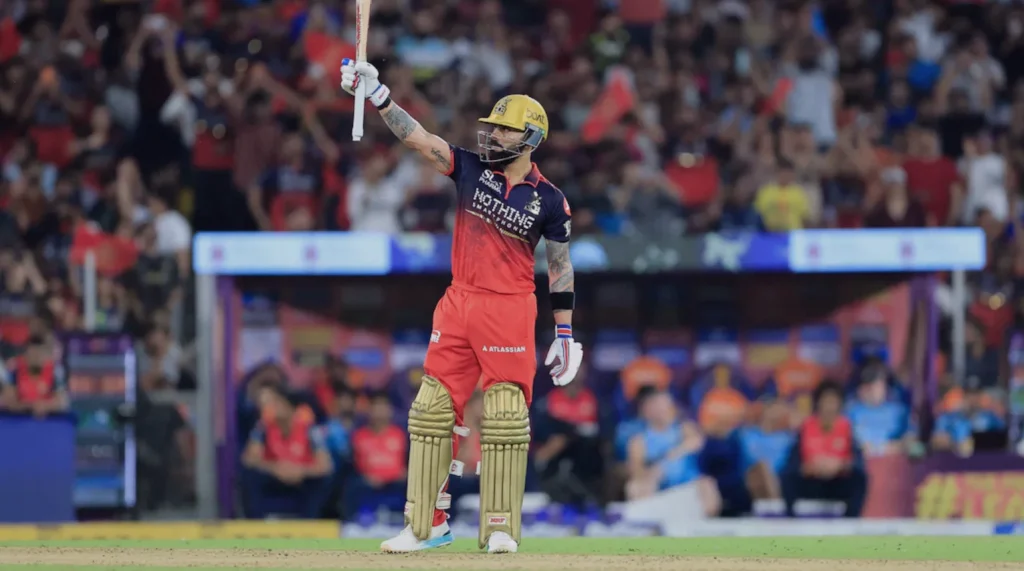
Royal Challengers Bengaluru batter Devdutt Padikkal credited the team’s bowling unit after RCB secured a remarkable achievement—winning the 2026 Indian Premier League for the second year in a row. They defeated Gujarat Titans by five wickets in the final at the Narendra Modi Stadium in Ahmedabad on Sunday, with their pace and discipline proving decisive in keeping GT to a manageable chase.
Key takeaways
- Padikkal praised RCB’s bowlers after the side won the 2026 IPL final for a second consecutive season, beating Gujarat Titans by five wickets.
- RCB restricted GT to 155/8, with Rasikh Salam Dar, Bhuvneshwar Kumar and Josh Hazlewood taking three, two and two wickets respectively.
- Bhuvneshwar finished the season with 28 wickets, while Rasikh Salam Dar led with 19 and Hazlewood added 15; Krunal Pandya took 14.
- Rasikh delivered 3/27 from four overs in the final, Bhuvneshwar returned 2/29, and Hazlewood ended with 2/37.
- RCB chased the target in 18 overs with five wickets in hand, thanks to Virat Kohli’s unbeaten 75 off 42 balls.
RCB’s bowling blueprint delivers again
RCB’s title success in 2026 was built on consistent performances across the campaign, and the final underlined that trend. Padikkal singled out the group’s ability to execute plans under pressure, saying their preparation is unusually detailed and methodical.
In the championship match, RCB produced another controlled display to rein in Gujarat Titans at 155/8. The wicket-taking momentum came primarily from the pace trio. Rasikh Salam Dar struck three times, Bhuvneshwar Kumar took two, and Josh Hazlewood also finished with two scalps—turning the middle overs into a decisive phase for RCB.
Rasikh’s figures read 3/27 in his four-over spell, while Bhuvneshwar finished with 2/29. Hazlewood contributed 2/37 from his allocation. Krunal Pandya added a further breakthrough, ensuring GT could not build partnerships strong enough to threaten the chase.
With the ball, RCB kept the total below par and then carried that control into the chase. The side reached the required score in 18 overs, finishing with five wickets remaining.
Padikkal on Kohli’s calm and the team’s mindset
Speaking after the final, Padikkal also focused on what Kohli brings to the table during high-stakes moments. In the run chase, Kohli remained unbeaten on 75 off 42 balls to anchor RCB’s response, striking nine fours and three sixes.
Padikkal suggested that Kohli’s presence at the crease reduces pressure, explaining that the experienced campaigner handles nerves well and continues to improve. He pointed out that Kohli has evolved steadily over the years rather than staying static in his approach.
Jitesh Sharma, meanwhile, credited the broader leadership structure and support staff for helping create a confident environment throughout RCB’s title defence. He highlighted the role of Director of Cricket Mo Bobat, saying the message inside the camp shifted from “defending” the trophy to “chasing” it again—an adjustment that, in Jitesh’s view, strengthened belief within the squad.
Jitesh also spoke about guidance from the management team, including batting coach and mentor Dinesh Karthik, and stressed that the group stayed locked into a one-match-at-a-time approach. Rather than being weighed down by expectations, the players focused on tactics for each fixture.
He expressed confidence about the future as well, stating that the team’s intention is to aim for a third title in the next season.
The final: GT set 155/8, RCB chase with Kohli at the centre
RCB won the toss and elected to bat first in the final. Gujarat Titans managed 155/8 in their 20 overs. Washington Sundar top-scored with an unbeaten 50 off 37 balls, including five fours, while Nishant Sindhu contributed 20 off 18 balls with three fours as the only other batter to cross the 20-run mark.
For RCB, Rasikh Dar Salam led the wicket-taking, finishing with 3/27. Bhuvneshwar Kumar took 2/29 and Josh Hazlewood claimed 2/37, ensuring wickets arrived at regular intervals and preventing GT from accelerating beyond reach.
In response, RCB began strongly through a 62-run stand between Venkatesh Iyer and Virat Kohli. Venkatesh made 32 off 16 balls, striking four boundaries and two sixes, before GT applied pressure to claw back. At one stage, Gujarat reduced RCB to 132/5.
Virat Kohli then guided the chase to the finish line. He remained unbeaten on 75 off 42 balls, hitting nine fours and three sixes, and ensured RCB crossed the line with two overs to spare, winning the final by five wickets.
With this victory, RCB lifted their second IPL title overall and their fourth Indian franchise trophy in total, a tally that includes two Women’s Premier League (WPL) championships.
