
New Delhi: Less than two months before the 2026 T20 World Cup, Shubman Gill found himself left out of India’s squad. The right-handed batter had been promoted to vice-captain for the Asia Cup, yet his output did not match the expectations, leading the decision-makers to make a difficult call. Once seen as a potential leader across formats, Gill’s run came to a sudden stop last December—after a breakthrough period that had transformed him into an ODI captain, following his rise during a memorable summer in England and his elevation after Rohit Sharma stepped aside. With talk also swirling about him edging towards Suryakumar Yadav’s role in T20I captaincy, the World Cup omission left him at a delicate crossroads.
Crossroads after the World Cup snub
Gill did not waste the setback. He accepted the decision, took care of his commercial commitments, and then gathered his support group in Mohali. Through the winter months, away from the noise, he worked intensely with side-arm bowlers and trusted net partners. Gill—who has often relied on high volumes during practice—spent long stretches studying his own T20 footage, searching for the missing piece in his batting.
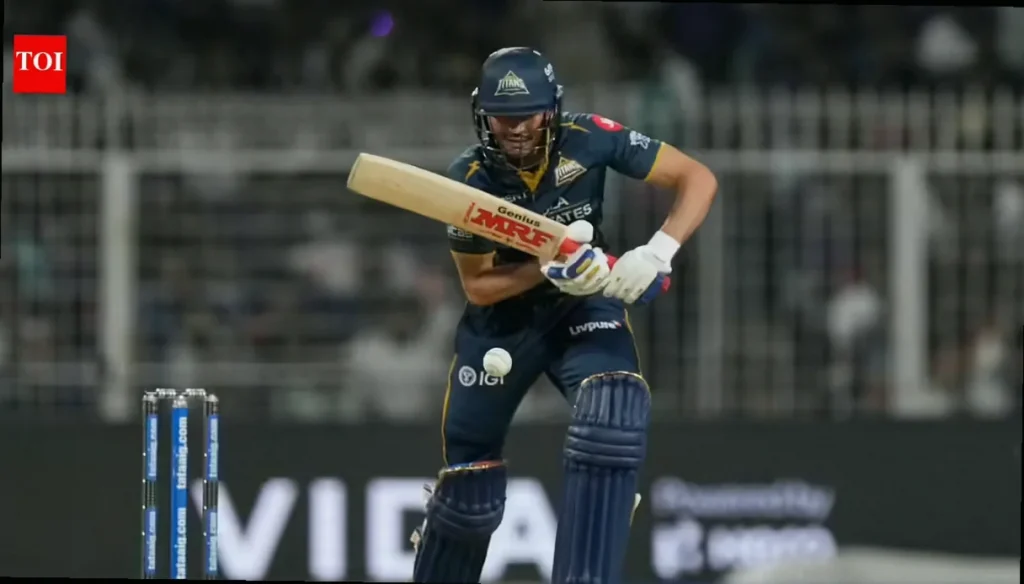
The focus was not on changing who he was as a hitter, but on expanding what he could do in the “traditional V” region of the field. From deep cover to mid-wicket, he wanted more range and more power, while keeping his technique intact. The need for control had been clear for some time: even in his most productive IPL moments, he could look eager to strike the ball too hard, occasionally losing the balance needed for cleaner elevation and distance. During earlier phases—most notably in the last IPL season—he had posted 650 runs in 15 innings at a strike rate of 155.88, but the control he wanted in that V zone was still slipping away at times. On certain occasions, the bat would close slightly at the point of contact when he was trying to go over long-off and long-on, which affected how high and how far he could get the ball.
The training blueprint: middler bat and bigger impact
Once the problem was identified, Gill committed to a straightforward solution. The heart of his work was the middler bat—a narrower, thinner training bat used to sharpen hand control and improve precision. Every batting session began with hundreds of deliveries using this tool, and that routine has continued through the current IPL campaign.
- He is regularly seen warming up with the middler bat before sessions built around finding the right hitting positions.
- The signs of the bat rolling in his hands have reduced noticeably, particularly during straighter hitting lines.
- The face closing on impact—an issue that had cost him elevation and distance—has become far less frequent.
- His body position at the crease has stayed more consistent, helping him find “meatier” contact more often.
As the months have progressed, the results have started to show in the sound of the bat as much as in the scoring. There has been a crisp, clean ping when he strikes straight, and the improved control has made him a favourite to watch in IPL coverage this season. It has been his most effective campaign in terms of strike rate and sixes, yet his batting base has not looked compromised—there are barely any of the desperate improvisations such as ramps, scoops, or paddles. Instead, it has looked like classic technique, now with a wider toolset.
Against spin: sweeps with timing, not guesswork
Gill’s work has also translated clearly against spin. He has used different sweeps effectively, but the key difference is that they are not forced in advance; the timing allows him to keep his natural elegance. He has managed to retain grace without sacrificing the attacking intent that defines his best innings.
IPL 2026 returns and what they signal
The numbers back up the transformation. In IPL 2026, Gill has played 13 matches and scored 616 runs at a strike rate of 161.68—his highest mark in the tournament. In many ways, his batting has mirrored the way he has approached life since the World Cup setback: keep it simple, keep it repeatable, and build confidence through controlled execution rather than dramatic overhauls.
- IPL 2026: 13 games
- Total runs: 616
- Strike rate: 161.68 (his best in the tournament)
Alongside the technical rebuild, the time in Mohali also served a quieter purpose. After a hectic few months, the nets offered a chance to reset away from the spotlight. The home-cooked food behind the training sessions—simple and familiar—helped bring him back to basics, while also preparing him for what comes next.
With the 2026 T20 World Cup still on the horizon, Gill’s current form suggests the most important part of his comeback is not just the volume of work, but the way it has been translated into better range, cleaner contact, and dependable decision-making—an approach that keeps his T20 batting uncomplicated, even as the game asks for more.
