
India’s celebrations after their T20 World Cup success earlier this year have not fully hidden a worrying trend: the team’s performances in Test cricket have eased off, raising fresh doubts about how quickly they can rebuild for the red-ball future. Even with brighter outcomes in limited-overs cricket since Gautam Gambhir took over as head coach, India’s Test setup—particularly their ability to consistently handle longer spells and spin—remains a major concern. Home defeats to New Zealand and South Africa have only intensified the pressure, with India’s chances of reaching the World Test Championship final now looking increasingly slim.
Key takeaways
- India’s recent Test setbacks at home have pushed the BCCI to rethink its long-term red-ball pathway.
- The Centre of Excellence, led by VVS Laxman, has unveiled a new plan to rebuild Test-ready depth through the next generation.
- A four-day intra-CoE tournament is scheduled for June and July, featuring 64 players under the age of 25.
- Players will be selected for Emerging and India A roles, with additional Sri Lanka tours planned for four-day matches after the IPL ends.
- High Performance Camps in Bengaluru will place a stronger emphasis on red-ball development over the next year.
BCCI resets the long-format pipeline through the Centre of Excellence
The board has moved to address the gap by restructuring how India develops its red-ball options. As per a report carried by PTI, the Centre of Excellence—headed by VVS Laxman—has prepared a detailed blueprint aimed at creating a steady flow of players capable of sustaining India’s standards across the next decade in Tests.
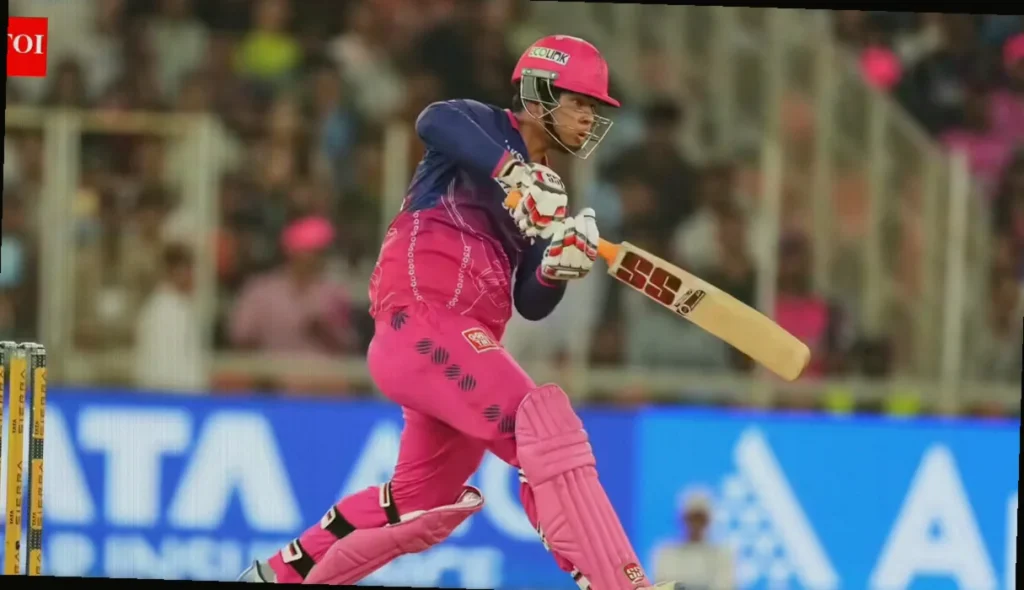
At the heart of this reset is a four-day competition conducted within the Centre of Excellence framework, scheduled across June and July. The tournament is designed not just to test technique, but also to replicate different match situations by using varied surfaces. Young talent including Ayush Mhatre and Vaibhav Sooryavanshi are expected to be part of the event, which will involve 64 cricketers aged under 25.
Those 64 players will be divided into four squads of 16. Each group will play two multi-day matches, with the intent of giving participants exposure to differing conditions and longer innings demands—an approach meant to strengthen India’s collective readiness for red-ball cricket.
The BCCI’s broader aim is to create a consistent pipeline of Test performers who can serve the national team long term. In line with that shift, coaches and selectors have been asked to make red-ball development the main focus during High Performance Camps in Bengaluru throughout the coming year.
Emerging and India A plans; selections tied to the intra-CoE tournament
A key element of the new pathway is that the India Emerging group will be made up exclusively of Under-25 players. These players will also form the basis of India A teams for “shadow tours,” ensuring continuity between training blocks and longer-format assignments. The selection roadmap will be created with senior chairman of selectors Ajit Agarkar and head coach Gautam Gambhir kept in the loop.
After the conclusion of the IPL, both India Under-19 and the Emerging Under-25 set are set to travel to Sri Lanka for four-day fixtures. The squad for these matches will be chosen based on how players perform in the intra-CoE competition scheduled earlier in the year.
India’s declining effectiveness against spin—even when playing at home—has been identified as one of the main triggers behind the overhaul since Gambhir’s appointment. The updated system is intended to close those gaps by giving players sustained, structured exposure to longer-format cricket rather than sporadic opportunities.
Selection processes have also been outlined. For the junior pathway, 25 Under-23 players will be picked by the junior panel led by S Sharath. In addition, 25 more players, drawn from the Under-23 and Under-25 brackets, will be selected by the senior selection committee based on performances in domestic tournaments such as the Ranji Trophy, Vijay Hazare Trophy and the Syed Mushtaq Ali Trophy. However, those picked must not have been part of the IPL.
The remaining 14 places in the overall pool will go to players who appeared in the IPL. Those names are expected to include Mhatre, Sooryavanshi and Sameer Rizvi, completing the 64-player group.
The plan also clarifies the role of this core group: the objective is to identify the 25-player set following the intra-CoE tournament, and then use that group to represent both Emerging and India A in the shadow-tour structure. The message to the wider pipeline is consistent—red-ball focus will be central for the next year, even for Under-19 cricketers.
